
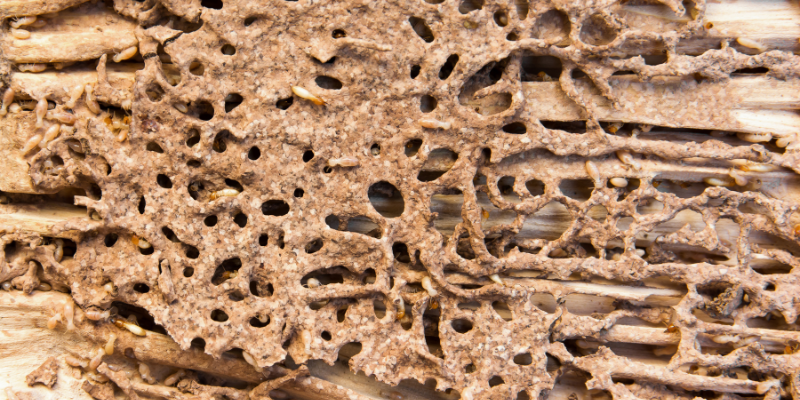
It isn’t impossible to sell a house with a history of termite damage in Connecticut. Homeowners have to find the middle ground of keeping the property attractive to buyers and complying with the disclosure laws of previous termite infestations. This guide helps to explain the termite damage and to present the home in a way that does not contradict the laws of Connecticut. With the right approach and the knowledge of what to do, Valley Residential Group LLC shall assist you in closing the deal in Connecticut’s competitive housing market. Learn how to solve a property issue with detailed information from us.
Brief Overview
Connecticut homeowners selling termite-damaged homes must be strategic and transparent. Inspections and professional treatments are necessary to understand and treat termite damage. Potential buyers must be informed of the termite history to build trust and comply with laws. Speed versus lower pricing must be considered when choosing between selling on the open market or to a cash buyer. Direct sales to cash home buyers in Connecticut and nearby cities can be faster and more convenient. Highlighting the home’s strengths and preparing thoroughly can reduce termite concerns and attract committed buyers.
Key Highlights
- Effective termite inspections and treatments are key to successful sales, ensuring transparency and buyer confidence.
- A detailed termite history report reassures buyers and meets legal disclosure requirements effectively.
- Understanding legal disclosure is crucial; failing to disclose termite history can lead to legal repercussions.
- Selling on the open market requires transparency and competitive pricing to appeal to informed buyers.
- Selling to cash buyers offers a quick sale but typically results in a lower market price.
Understanding Termite Damage in Your Home in Connecticut
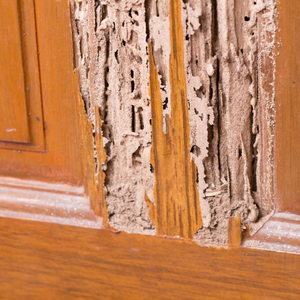
The destruction caused by termites can be catastrophic. Understanding what termite damage means and how to remedy it is especially important if considering selling a house. Understanding what damage termites do and how to deal with it is important when trying to save one’s house. Having the right information can save one from dealing with unforeseen circumstances and, in the case of being honest with the potential buyer, bring value to the house. This will point out termite damage and help to deal with it in a way that will increase interest from potential buyers.
Signs of Termite Infestation and Damage
Identifying termites early can help save your home from serious damage and expensive repairs. Termites travel between nests and eat your house. They create mud tubes, which are exactly what they sound like, to maintain moisture and shelter them from the dangers of predation. If you notice mud tubes that termites have constructed, moisture is probably present, and hidden termites have likely begun to eat your home.
Another sign of termites is when wood sounds hollow. Termites eat wood from the inside, so if you tap on a beam and it sounds hollow, it is probably not undamaged. Termites also shed wings. If you find wings, it is probably a sign that the colony is growing. Also, if you find a tiny amount of brown droppings that resemble sawdust, and you notice paint that is either bubbling, peeling, or both, some of the wood is probably damp and infested. It is important to notice signs of termites early on, to keep your home safe and to minimize loss of value.
Assessing the Extent of Termite Damage
To understand the full extent of a termite infestation, the first step is to find out the degree of the termite damage. Do a thorough inspection of the home foundation, wood structures, attic, basements, and crawl space. Termites can damage all of those locations. Look for hollow wood, weakened structural beams, and overall structural damage that isn’t visible. Because the damage termites cause can be hidden within the walls or within the insulation, the walls and the insulation should be inspected to identify the true extent of the damage.
It’s good to get a pest inspection from a professional, as that will be easier for you. Furthermore, the pest inspector will be the one to use stands and other big equipment to identify hidden activity in the hidden areas. Because of this, they often have activity reports that are very useful to assess for repairs and costs and make sure everything is properly taken care of. This type of approach will definitely make everything safe in the home, and buyers will have more confidence in the home, and the value of the home will increase.
Preparing Your House for Sale Despite Termite Issues

Selling a Connecticut house with termites requires careful preparation, but it can be done. Successful termite inspection and treatment are essential to selling. Knowing what buyers want and preparing your home accordingly will give you an edge. Considering termite damage and actively repairing and disclosing issues gives buyers transparency and boosts property credibility. To help homeowners save time, we buy houses in New Britain, CT, and nearby cities. This proactive approach attracts buyers and speeds up home sales.
Importance of a Thorough Termite Inspection
If a house has a history of termite problems, a serious termite inspection is critical when it comes to selling a house. A thorough inspection goes beyond the exterior of the house and instead looks at the foundation, wooden supports, the basement, and other sensitive areas. Only a licensed inspector will be able to find and report termite activity in the various areas of your house because licensed inspectors use special tools such as moisture meters and thermal imaging.
A detailed inspection will identify the potential problem areas to minimize surprises in the future. A detailed inspection will provide you with a report that is required for most house disclosures and will add to your credibility with buyers. A thorough inspection will also allow you to develop a good pest-sensitive prevention plan. Addressing findings will show that you are committed to keeping the value of the house. A detailed inspection will also show potential buyers that you care about the house.
Implementing Effective Termite Treatment
Termite treatment is essential for homes to be sold with a history of termite problems. Planning for treatment after inspection is vital to eliminate not only active infestations but also potential future infestations. The type of solution used by pest control professionals is based on how bad the problem is. Barriers and colony bait treatments are likely solutions to protect and eliminate colonies, which restores the buyer’s confidence to purchase the property.
Documenting all the repairs and treatments is also important for the buyer. Repairing the damage caused by termites is as important as treatment. Replacing and reinforcing the wood that has weakened, fixing the structure, and using wood that has been treated improves and increases safety, along with the prevention. The plan to combine treatment and repairs with continued prevention will increase confidence and help sell the home.
Disclosure Practices When Selling a House with Termite History in Connecticut
The chances of selling a house with a history of termites could present challenges. Disclosing a termite history protects the owner from being sued. If a house has a history of termites, owners could face legal problems in the future, even if the house has been remodeled. The laws concerning locating termite species or infestations may differ, so potential sellers must do their legal research. It helps with negotiations if the seller is direct and honest. Good negotiation strategies and the laws combined result in a property that is legally and ethically protected.
Legal Requirements for Termite Disclosure
It is important to be honest when selling a house to buyers. Being upfront about current and past issues builds trust and helps sell the house. Being honest about past termite issues helps sell the house. Buyers want to know if the termite problem was treated. They also want to know if there is an active termite problem. Inspection reports and pest control reports help address concerns buyers have about active termites.
If there were structural improvements after treatment, buyers would be confident in buying the house. Show open houses and talk about the house. Buyers want to see the house and talk to an honest professional. Being open with buyers and having documentation lets sellers show their house is well taken care of, which attracts buyers.
Transparency and completeness in termite disclosure to buyers are essential. Transparency about termite conditions can build trust in the transaction. Check out these termite-related home-selling tips:
- Before listing the property, hire a termite expert to inspect it.
- Provide current and accurate termite inspection reports to prospective buyers.
- Before showings, treat or repair termite damage.
- Buyers can review receipts and warranties for termite treatments and repairs.
- Discuss termite prevention measures like barrier treatments and monitoring systems.
- Explain termite damage and risk mitigation to potential buyers.
- For buyer peace of mind and ongoing protection, offer a termite bond or warranty.
Indeed, termite diligence and transparency are crucial to building trust and a successful property sale. These concerns can be addressed by sellers to boost buyer confidence and ease the transition.
Strategies for Honesty with Potential Buyers
It is important to be honest when selling a house to buyers. Being upfront about current and past issues builds trust and helps sell the house. Being honest about past termite issues helps sell the house. Buyers want to know if the termite problem was treated. They also want to know if there is an active termite problem. Inspection reports and pest control reports help address concerns buyers have about active termites.
If there were structural improvements after treatment, buyers would be confident in buying the house. Show open houses and talk about the house. Buyers want to see the house and talk to an honest professional. Being open with buyers and having documentation lets sellers show their house is well taken care of, which attracts buyers.
| Disclosure Requirements | Recommended Practices | Legal Implications | Documentation |
|---|---|---|---|
| Full disclosure of past termite treatment and inspections | Provide termite inspection report to potential buyers | Non-disclosure may lead to legal disputes or financial penalties | Include copies of all relevant termite treatment receipts |
| Detail any structural repairs made due to termite damage | Be transparent about infestation history during negotiations | Failure to disclose can affect property valuation | Provide a termite inspection report to potential buyers |
| Inform about any warranties or guarantees on termite treatments | Discuss preventive measures in place for future protection | Neglecting to disclose could void existing warranties | Attach the structural engineer’s report if repairs were made |
This table succinctly outlines the critical aspects of effective termite history disclosure in property sales.
Selling Methods for a House with Termite Damage in Connecticut
There are difficulties associated with selling a house with termite damage, but knowing what your options are can greatly improve your situation. Selling your house on the open market and selling it to a cash buyer can provide different benefits and drawbacks. Each of these options requires different approaches and offers different benefits depending on how you want to deal with the history of termites. Identifying which of these options is best for your house will help you to deal with the challenges and sell your house easily, even when the circumstances are not ideal.
Sell Your House on the Open Market
It will take time to sell a home with termite damage, but it can be done. The first step to take is to be honest about your termite issue and how you have tried to deal with it. Professional repairs, honest reviews, and a report of all of the damage and repairs go a long way with prospective buyers. On the other hand, simple repairs, a good report, and a good pest control report will boost buyers’ confidence, and serious offers for the home will come despite the previous problems.
A good price is essential. Find a good price that doesn’t undercut the value of the home but also reflects the issues with termite damage. A good marketing plan that highlights the home’s best features, such as the location and any upgrades, can be a significant offset for buyers. If a buyer sees value in a home that is priced lower than other homes in the area because of a termite issue, they can see a lot of potential. With honest pricing, good prep, and good honesty, the home will sell.
Selling to a Cash Buyer: Pros and Cons
Selling to a cash buyer is a common option for homeowners facing termite damage. It gives you speed and convenience because cash buyers don’t need lender inspections. You can sell the house without making any repairs since a lot of investors buy properties as-is and implement the repairs themselves. For homeowners who sold their houses to provide them with quick cash, this option is the most hassle-free and cash-positive.
As a downside, most cash offers are lower than the market value because of the costs associated with the repairs and the risk. Even though this seems the worst, it actually can become the best scenario because it is a way to avoid paying for repairs and spending time on them. Make sure to evaluate the options and good buyers; by “good,” I mean the ones who have the most credibility and good reviews, to get a fast and easy deal and to avoid the most problems.
Successfully selling a house in Connecticut with a termite history demands strategy, transparency, and preparation. Potential buyers will trust you if you address termite issues with professional inspections or treatments. Emphasizing your property’s location or recent renovations can draw more buyers. Use the right approach and resources to turn a difficult situation into an opportunity and ensure a smooth transaction and a happy ending for all parties. Please contact Valley Residential Group LLC for assistance. Avoid letting termite issues overshadow your home’s potential.
Need to sell a house with termite issues in Connecticut? Skip expensive repairs and sell quickly with ease. Valley Residential Group LLC is here to help with fair cash offers, full-service support, and a smooth, hassle-free process. Have questions or ready to move forward? Call us at (860) 589-4663 for a no-obligation offer. Get started today!
FAQs
What are the Connecticut termite house selling steps?
Selling a house with a termite history requires disclosure, thorough inspections, effective termite treatment, and possible repairs. Understand disclosure laws and decide whether to sell on the open market or to a cash buyer.
How important is termite inspection before selling a house?
Honest termite inspections build buyer confidence, identify repairs, and ensure transparency. This inspection should cover foundations and termite-prone wood.
What are common signs of termite infestation?
Mud tubes on foundation walls, hollow-sounding wood when tapped, discarded wings near entry points, frass (termite sawdust), and bubbling or peeling paint are signs.
What legal requirements must be met when selling a house with a termite history in Connecticut?
Connecticut law requires termite damage and infestation disclosure. Fill out a detailed property condition report and disclose all termite issues to potential buyers.
What are the pros and cons of selling to a cash buyer?
Selling to a cash buyer avoids mortgage issues and is faster. It usually lowers the sale price because the buyer assumes repair costs and requires careful vetting to avoid unfavorable terms.
Helpful Connecticut Blog Articles