

Navigating the complexities of real estate transactions can be daunting, particularly when it comes to the contractual obligations associated with a sale in Connecticut. This guide aims to clarify the rights and limitations that sellers face when considering backing out of a real estate contract after it has been signed. Understanding the state’s legal provisions, including the unique three-day right of rescission, is crucial for both parties involved. Sellers need to know when and how this right can be exercised, as well as the potential consequences that may ensue if it is mishandled, thereby providing clarity in critical decision-making moments.
Key Highlights
- Sellers in Connecticut may back out of a real estate contract under specific legal grounds, such as unmet contingencies or misrepresentation.
- The three-day right of rescission offers protection by allowing contract cancellation within a short period without penalties.
- Exceptions to the three-day right include certain property transactions, such as foreclosures or auctions, which do not have uniform applicability.
- Unjustified contract termination can result in legal action and reputational damage for the seller.
- Understanding contract terms, rescission rights, and securing legal advice helps avoid disputes in Connecticut real estate transactions.
Understanding the Real Estate Contract in Connecticut
Real estate transactions in Connecticut hinge on the binding nature of a solid real estate contract. Both buyers and sellers must comprehend the terms within the agreement they’ve agreed upon, ensuring all conditions are understood before proceeding. This knowledge protects both parties from potential pitfalls. Exploring the factors that make these contracts binding and their significance in property transactions can help clarify the complex landscape of estate law and how contracts navigate this area.
What Makes a Real Estate Contract Binding?

The acceptance of the offer and the completion of the buyer and seller’s signature mark the point at which the real estate contract becomes legally binding and enforceable. There are several factors, however, that affect the enforceability of the real estate contract in question.
To begin with, real estate contracts must clearly state the terms and conditions, including the address and the price to be paid. The state of Connecticut requires sellers and buyers to have the contract terms and conditions clearly articulated to them and to be in complete agreement with them (referred to as a meeting of the minds).
Next, for a real estate contract to have consideration, both parties must offer consideration. This, in actual practice, means that in the real estate contract, the buyer must deliver an agreement to purchase the property, and the seller must agree to provide a valid title.
Further, for this type of contract, both parties must be of legal age and of sound mind. If neither of these conditions exists, the contract will be ineffective, and the seller will be able to dispute the contract, claiming that they were either poorly represented or misled in some way.
The buyers and sellers in Connecticut who understand these conditions are in a much better position to avoid legal disputes and have much greater certainty and transparency in accomplishing the real estate transactions.
The Role of the Real Estate Contract in Property Transactions
The most fundamental part of any real estate transaction is a real estate contract. It records the rights and obligations of the parties involved. It outlines the most essential terms of the agreement, including the selling price of the property, the closing date, and the contract terms that, under certain conditions, would permit either party to cancel the contract.
A contract is meant to protect both parties by clearly identifying the obligations of each party, thereby reducing the likelihood that a dispute arising from the agreement will complicate the transaction. In this state, we need a real estate agent to obtain a signed contract because he/she know how to draft a contract that reflects the will of the parties involved, and, most importantly, is enforceable under the law so that an agreement of this nature can be executed without delay.
Contracts detail the financial considerations, as well as the property inspection, financial contingencies, and requirements for the seller to provide the buyer with a clear title to the real estate. These clauses protect the buyer from real estate problems that the seller may be concealing. These clauses also ensure that the seller fulfills all the obligations they promised to meet before a closing can take place.
The knowledge and use of a contract will help all parties to a contract realize that their interests will be protected under the law. In this state, due to the complexity of the real estate market, these contracts are a crucial part of a real estate transaction.
The Three-Day Right of Rescission Explained
In Connecticut, real estate transactions are governed by a comprehensive legal framework that includes various consumer protections. Among these is the three-day right of rescission, a critical aspect ensuring both buyers and sellers have a short window to reconsider their commitments. This mandatory right to cancel certain real estate agreements offers a layer of security, reducing the chance of hasty decisions. While primarily aimed at consumer protection, understanding the nuances and potential exceptions of this right is crucial for anyone involved in property transactions within the state.
How the Three-Day Right Protects Both Parties
In Connecticut real estate, the three-day right of rescission is a unique aspect of consumer protection that allows both parties involved in a contract three days to reconsider it. Either party to the agreement can unilaterally cancel the contract for the sale of a home without incurring any penalties, protecting against the possibility of pressure-driven decision-making.
For buyers, this period allows them to conduct any remaining due diligence, assess the property’s condition, obtain suitable financing, and ensure the purchase aligns with their financial and personal goals. For sellers, this time allows them to review and confirm that the terms of the contract, along with any obligations outlined in it, truly reflect what is within their will and ability to perform.
There is a balance of fairness against a backdrop of pressure with this right of rescission. Sellers, in particular, are encouraged to review the terms and conditions of their agreements, which are designed to alleviate the pressure that may build against a seller.
Because of the exceptional challenges that are posed in connection with the negotiations of a sale in real estate along with the special conditions that are presented by each property and the financing of the sale, i.e. the three-day right of rescission is of particular value in maintaining a healthy real estate market in the state, Because the protection is available to both buyers and sellers equally, this right serves to enhance the activities of the market with a spirit of transparency.
Exceptions to the Three-Day Right in Real Estate Deals
There are certain situations in which the three-day right of rescission in Connecticut applies. Knowing these exceptions to the rule will help prevent headaches and keep the individual’s legal rights intact.
There are commercial real estate transactions. Different rules and laws governing contracts apply to these transactions and are not subject to the three-day right of rescission.
There are also instances of foreclosure and auction sales of properties. These are also fast sales transactions and do not allow for the three-day right of rescission.
Some contracts waive the three-day right of rescission. These are often negotiated in great detail by a professional in real estate. Sellers need to review their contracts to identify such waivers and understand how they clearly restrict the ability to walk away.
These exceptions are a valuable resource for simplifying real estate transactions in Connecticut for sellers. Knowing precisely when the three-day right of rescission applies will help them protect their interests and facilitate a more seamless sale of their property.
Exploring Contract Termination Options
In the realm of real estate transactions in Connecticut, understanding contract termination options is crucial for both sellers and buyers. Sellers might wonder under what circumstances they can back out of an estate contract and what legal grounds are available to justify such actions. Furthermore, an unjustified contract termination can lead to serious consequences, underscoring the importance of knowing estate law and the intricacies of contract terms. Delving into the legal grounds for contract termination and examining the repercussions of unjustified exits provides valuable insights for all parties involved in real estate contracts.
Legal Grounds for Contract Termination
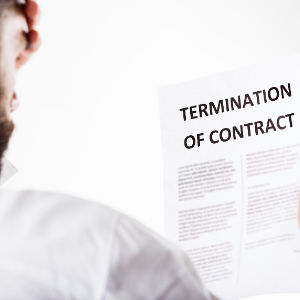
An understanding of these reasons is crucial due to the legal and financial implications that may arise if someone attempts to terminate a real estate contract without valid grounds.
One of the most common is the existence or presence of contingencies in the contract. For all sales agreements, these clauses may include, but are not limited to, financing terms, home inspection clauses, and any other conditions that must be fulfilled for a sale to be completed. If a contingency is not met, for example, if the buyer has a deadline to obtain financing and fails to do so, the seller may still be able to close without incurring contract violations.
The valid legal reason of misrepresentation or fraud also comes into play here. If the seller can demonstrate that the buyer or their agent provided the seller with false representations or detrimentally misled them, the contract may be voided.
The legal real estate contracts in Connecticut are very complex; therefore, sellers must take the time to understand all the provisions of the agreement, including the consequences of those provisions, to make an informed decision. If there are no valid grounds, the seller may be held liable, and there may be additional financial consequences.
It is advisable to engage the services of a knowledgeable real estate agent and/or a lawyer qualified to practice estate law in the State of Connecticut. These practitioners will assist the seller in understanding the legal bases of termination, considering the termination purposefully, and avoiding acts that would weaken the seller’s legal position. Legal advice will help ensure that the termination of the contract is valid and legally defensible, thereby preserving the seller’s reputation in the market.
Consequences of Unjustified Contract Termination
There are serious repercussions, both legally and financially, for sellers in Connecticut looking to back out of a real estate contract without justification. Since the sellers are the ones backing out, the buyers may choose to take legal action to recover damages. A breach of contract damages claim can be filed by buyers who are in temporary rentals, trying to obtain new mortgages at higher interest rates, or are otherwise financially and contractually obligated to new purchases, as the seller’s withdrawal will deprive them of new property opportunities.
The damage to a seller’s reputation within the real estate community can be long-lasting and potentially detrimental. Sellers whose reputation in the community is one of being disengaged and backing out of contracts may make real estate agents and professionals question their credibility. Those sellers may find it harder to make real estate transactions in the future, as new buyers they target will be looking for reliable sellers and favorable market conditions. The real estate community in the local area may develop a negative perception of the seller, and the seller will also find it challenging to sell their property.
Legally, the time it takes for a court case to be resolved can eliminate any short-term benefits a seller may gain by backing out of a real estate contract. Sellers, along with their real estate agents, need to be aware that any buyer in Connecticut is likely represented by a reputable and experienced real estate attorney, and that real estate contracts can legally bind you to perform the contract. If the seller does not want to complete the real estate transaction, the seller may be forced to complete the transaction if the buyer gets a judgment against the seller.
Taking these factors into consideration, sellers should explore the legal possibilities surrounding contract termination and consult experienced real estate professionals to understand the fundamental aspects of their entitlements and responsibilities. A careful and knowledgeable approach to the sale of the property will protect the seller legally and financially, maintain a good reputation, and likely avoid conflicts and disputes.
Key Considerations for Sellers in Estate Contract Disputes
For those selling property in Connecticut, understanding the intricacies of estate contracts is essential to avoiding disputes. Sellers face potential pitfalls if they fail to recognize key contract terms and the impact of their rescission rights. By knowing how to navigate these challenges, sellers can protect their interests and minimize risks. This includes understanding critical contract clauses, being aware of termination rights, and preparing for potential legal disputes. Such vigilance can prevent issues, ensuring a smooth real estate transaction even amidst difficulties, especially where contract termination might become a consideration.
Avoiding Pitfalls in Estate Contracts

Selling a home in Connecticut can be complex, and estate contracts often come with potential pitfalls that sellers must navigate carefully. One of the most significant risks is unclear contract terms. Responsibilities, contingencies, and timelines must be clearly defined to avoid misunderstandings or disputes. Sellers should make sure every condition in their contract aligns with their best interests.
Working with an experienced real estate professional familiar with Connecticut’s estate laws is invaluable. They can help interpret legal jargon, ensure contracts reflect the seller’s intentions, and prevent disputes before they start. For sellers seeking a fast and straightforward sale, Valley Residential Group LLC, a trusted cash home buying company in Connecticut, offers an alternative. They buy houses for cash in Berlin, CT, offering sellers a straightforward solution that avoids many common contract pitfalls.
The three-day right of rescission is yet another essential aspect, whereby sellers have a short period of time in which they can re-evaluate their choice. This right is not universal among all transactions, though. For instance, properties are not subject to this right if they are sold at auction or if they are foreclosed. Knowing when this right is in effect is crucial for sellers to prepare for situations where they may not be able to terminate a contract for other reasons.
Lastly, the foreshadowing aspect of this situation is that sellers should prioritize the importance of maintaining complete and accurate records. The seller has a considerable advantage in having all their positions certified if they can access the documents to substantiate their claims. This forthright strategy can not only ease the transaction but also prevent or resolve conflicts, support claims if needed, and avoid disputes in the future.
By staying informed, seeking expert guidance, and exploring trusted alternatives like Valley Residential Group LLC, sellers can navigate Connecticut’s real estate market with confidence, minimize legal risks, and achieve a successful, transparent transaction. Contact us at (860) 589-4663 today!
Frequently Asked Questions
What is the three-day right of rescission in Connecticut real estate?
Under Connecticut Law, the right of rescission is a consumer protection law that gives the real estate buyer or seller the right to terminate a real estate contract within three days of signing without any financial obligation.
Do the three-day right of rescission have exceptions?
Yes. Some transactions do not have a three-day right of rescission, such as commercial real estate transactions and foreclosures of real estate. Please verify that your transaction qualifies for this benefit.
What happens when a contract termination is unjustified in Connecticut?
Some of the consequences may include breach of contract, financial consequences, and a tarnished reputation in the real estate market. The buyer may also be able to sue the seller for breach of contract.
What are the circumstances in which a seller is allowed to back out of a real estate contract?
In Connecticut, a seller can back out of a real estate contract if there are valid statutory issues, such as the contract lacking certain conditions, or if there is a misrepresentation or fraud in the contract.
How important is legal advice in Connecticut real estate transactions?
Real estate transactions in Connecticut require legal assistance, as it’s the best way for sellers to understand their rights, navigate the contracts, and avoid disputes or legal penalties.
Helpful Connecticut Blog Articles
- Cost To Replumb Your Connecticut Home
- Sell Your Connecticut Home With A Reverse Mortgage
- Best Time to Sell a House in Connecticut
- Selling a Water-Damaged House in Connecticut
- Selling a House With a Tax Lien in Connecticut
- Attorney Fees for House Closings in Connecticut
- Selling A House With Foundation Issues In Connecticut
- Selling A Fire-Damaged House In Connecticut
- How To Successfully Sell A House With A Lien In Connecticut
- Understanding The Taxes On Selling Your Home In Connecticut
- Cost to List on MLS in Connecticut
- How to Claim Ownership of Abandoned Property in Connecticut
- How to Sell an Inherited House in Connecticut
- How Long Can Seller Stay in House After Closing in Connecticut
- Can the Seller Back Out of a Real Estate Contract in Connecticut?
- Does a Seller Pay Closing Costs in Connecticut?