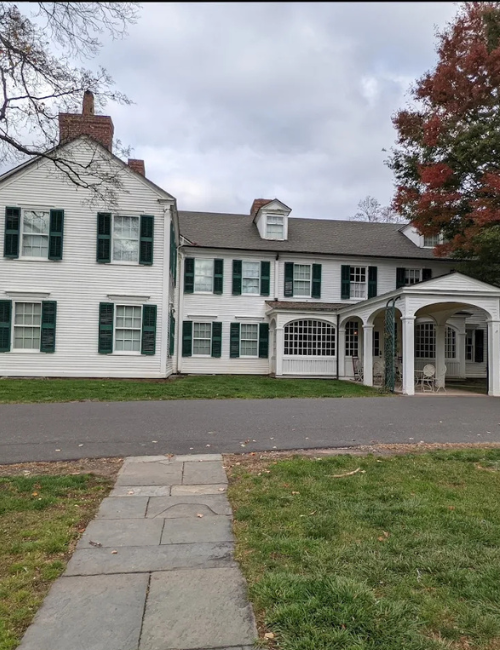
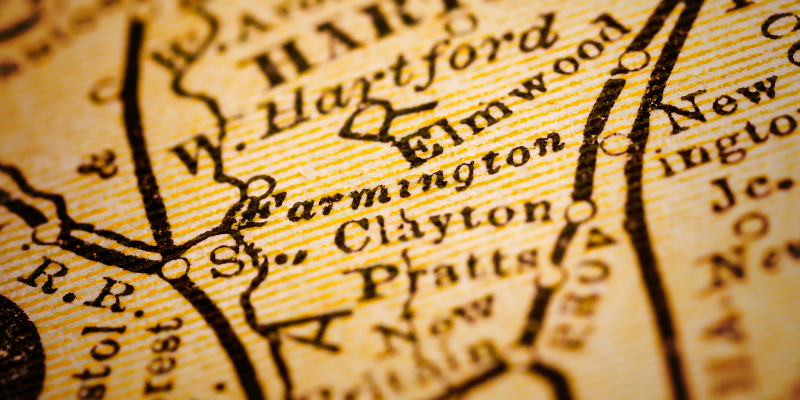
This guide features Farmington, Connecticut, along with a detailed neighborhood map. Farmington is a unique colonial community with a vibrant, modern lifestyle. Farmington is a community with beautiful scenery and pictures. Get detailed maps and guides to explore the towns and century-old walking trails. Residents, newcomers, and visitors will find that this guide saves time and provides enough detail to experience the various neighborhoods, making the Farmington experience unique to each individual.
Key Highlights
- Farmington blends colonial charm with modern amenities, offering vibrant community life and picturesque landscapes.
- Efficient town maps guide residents and visitors, highlighting essential landmarks, cultural sites, and recreational trails.
- The diverse neighborhoods cater to a range of lifestyles, from bustling urban centers to serene suburban retreats.
- The town offers housing, schools, parks, shopping, and a dining center.
- A robust socioeconomic landscape fosters a thriving community characterized by high educational attainment and numerous professional opportunities.
Exploring the Farmington, Connecticut, Neighborhoods
Every community has a tapestry of neighborhoods, and Farmington, Connecticut, is no different. There are several neighborhoods for people to call home as the towns are connected. The Farmington Valley Guide offers newcomers to the city and residents alike a glimpse into the town’s history and culture, as well as information on districts that cater to modern and contemporary living arrangements. Every district offers its patrons a different blend of charm, outskirts, and a spirit that embodies community living. The locations available within the Farmington districts offer a range of options to suit various lifestyles and living preferences.
There are many insightful reflections of the different districts around Farmington. Testimonials from previous homeowners and renters will help guide someone in the right direction when it comes to finding their new home. These testimonials will help you confidently narrow down available districts. These reflections on the districts in Farmington truly demonstrate why it has earned a reputation as a highly sought-after place to live. The many reflections of the community help show what people truly value.
Contact us today for local insight and guidance as you explore Farmington’s neighborhoods. Farmington, Connecticut, offers a diverse mix of neighborhoods—from historic areas to modern developments—each with its own character, convenience, and community appeal. Understanding differences in schools, amenities, and property values helps buyers find the right fit with confidence. This guide is also helpful for investor homebuyers in Farmington and surrounding cities in Connecticut, looking for strong, well-positioned opportunities.
A Diverse Community with Rich History
Farmington is part of the Farmington Valley and contains numerous neighborhoods with a rich historical heritage dating back to the town’s settlers. The Revolutionary War, and the War of Independence, as well as subsequent US cultural changes, have all influenced the history of the city, which is visible in Unionville’s colonial architecture, and in the other historic portions and modernized parts of the town, which contain lots with tree canopy preservation, and with buildings of varied architectural styles which have been well maintained.
Farmington also features examples of primary settlement, as well as its Georgian and Federal architecture, which is reflected in the preserved buildings from the town’s modern home construction. These homes, inspired by modern and contemporary design, appeal to residents who value and appreciate Farmington’s rich history and heritage. These modern homes are also designed harmoniously with the beta portions of the town’s history. Building houses and developing a gentle town has a balanced appeal for the community.
Apart from its design, the neighborhoods of Farmington have a breadth of functions. Part of these functions comes from the older citizens and the newly arriving citizens. The section of East Farmington offers a more subdued environment, complemented by active, family-friendly parks and recreation facilities. A prosperous community with a dynamic equilibrium between conservation and development gives a positive demand and healthy property values. This fusion of historic Farmington and contemporary living yields a thriving community.
Finding the Right Area for Your Lifestyle
Finding the right neighborhood in Farmington is based on the compatibility of your lifestyle with the personality of Farmington and its surrounding areas. Some neighborhoods have a more urban and lively feel and are conveniently located near West Hartford Road. This area is lined with shopping and dining options, providing active entertainment that attracts professionals and families who value the convenience of an urban lifestyle and enjoy social engagement.
In contrast, the southernmost parts of Farmington, like the valleys of Avon and Simsbury, are much more subdued and offer a peaceful alternative in the suburbs. This community atmosphere features large homes, is beautifully lined with trees, and offers excellent access to parks and nature trails. This area is fantastic for families, and with the addition of Farmington’s rich history and strong school system, the diverse neighborhoods offer a little something for everyone looking for a place that truly feels like home.
Best Areas for Young Professionals
If you’re single or partnered without kids and working in or around Hartford, areas near Farmington Center and Unionville tend to make the most sense. You’ll find a mix of updated condos, smaller single-family homes, and historic properties that have been modernized without losing their character. It’s easy to live comfortably here without feeling like you’re surrounded by nothing but minivans and PTA meetings.
The commute is a big win. Routes 4, 6, and I-84 make it easy to access Hartford, West Hartford, or Bristol. You’re close enough to West Hartford Center and Blue Back Square that going out for dinner or meeting friends doesn’t feel like a whole production.
Farmington Woods is another strong option for young professionals seeking amenities without the maintenance burden. The condos are well-kept, the grounds feel private, and you get access to walking trails and recreational facilities. It’s not flashy, but it’s practical and easy to live in.
Top Family-Friendly Communities
For families seeking space and quieter streets, Devonwood and the surrounding neighborhoods off New Britain Avenue are popular choices. Larger lots and cul-de-sacs mean kids can play outside without constant traffic concerns, and there’s room for swingsets, backyard games, and family gatherings.
Unionville also attracts many families due to its genuine neighborhood feel. You’re close to local schools, parks, and community events, and the center of the village is within walking distance, which parents tend to appreciate. It feels established without being dated.
Families seeking newer homes often gravitate toward areas of development near the Farmington–Avon line. These areas offer new construction, good access to top-rated schools, and proximity to recreational amenities, including golf courses, trails, and youth sports facilities.
Neighborhoods for Retirees and Empty Nesters
Farmington Center is a classic choice for retirees and empty nesters looking for lifestyle charm without the upkeep of attractions. Select historic homes and condos are spacious yet small enough for a lifestyle free of maintenance. Healthcare and dining options are just a few blocks away, and the center is quiet, walkable, and community-oriented without being intrusive.
Farmington Woods functions well here as well—the condo lifestyle suits homeowners who want to travel or downsize without sacrificing comfort. With snow removal, landscaping, and maintenance taken care of, you are free to spend your time how you want rather than managing your property.
Overall, central Farmington does not have more empty nesters, as it is the most convenient. Compared to luxury suburbs and their intensive shopping and medical facilities, home prices are more reasonable, and you are free to move around the area without feeling boxed into a text-dense urban environment.
The Ultimate Farmington Town Map Guide
Knowing how Farmington is structured will enable you to prepare more effectively before visiting the location for the first time and appreciate more of what the town has to offer. Town Maps and Guides serve as the perfect first step in appreciating the synthesis of historical and modern attributes of the Town, directing users to the major thoroughfares, essential neighborhoods, and parks. Once residents and visitors learn how to navigate and utilize the Town Maps and Guides to create a Town itinerary and a professional-level route to any point of interest, they will discover how the Town’s districts are linked.
Numerous modern mapping instruments provide even greater access. Clip maps and downloadable maps are ideal for casual navigators and sightseers, while GIS-mapped models offer detailed information and are perfect for site planning and land use planning. Collectively, they provide a seamless experience to discover the Town’s hidden gems. In short, exploring the Town to find out what makes the Farmington distinct is made easy and enjoyable with the wide range of maps designed for exploration.
Navigating Farmington with Ease

Knowing how to use the provided town maps effectively is crucial for navigating Farmington efficiently. Residents and visitors alike can use detailed street/ town maps in both paper and digital formats offered by the town. These versatile maps are easily used in conjunction with the town’s layout. Fostering a user-friendly experience by incorporating advanced GIS mapping technology, the city provides users with the ability to select and visualize real-time routes to any destination in the town. For the town’s frequent visitors, users can easily navigate to the town center.
Farmington officials’ purposeful planning and attention to detail are illustrated through the maps produced by the town. These maps show all major roads, community facilities, business and service zones, points of interest, and public transport pathways. With the center of the town as a clear point of focus, people can easily and comfortably move through and around the adjacent neighborhoods and services.
Maps of the town continue to be updated to show new buildings and other infrastructure, helping people become aware of new roads and other changes to anticipate in their daily commutes. Pedestrians appreciate accuracy in the street maps available to them as they venture to and explore various historical, culinary, and commercial sites. In general, town geography is well supported, and people can comfortably and happily navigate the community.
Essential Stops and Landmarks
Farmington has many historical and cultural landmarks. The Farmington Town Center is the geographical and social center of the town. It features local restaurants, shops, and theaters that foster a vibrant and friendly environment. It is also the location from which visitors can access the many cultural points of interest in the town with the help of the provided street maps.
Farmington is also home to the Hill-Stead Museum, a nationally recognized historical site renowned for its masterful architecture. It holds a collection of art that is quite impressive. The museum is set in picturesque grounds and is designed in a colonial style, which Farmington has preserved. The interior of the museum has been preserved, offering an intact representation of Farmington’s history. The Stanley Whitman Museum is also a preserved historical site of early America and American architecture, and is an essential site in the history of the United States.
Beyond its historic appeal, Farmington also offers an abundance of outdoor and modern attractions. The Farmington River Trails provide scenic routes for walking, biking, and nature exploration, while parks like Batterson Park provide spacious recreational areas that are ideal for families. Complementing these natural spaces, the Unionville district blends modern amenities with historic buildings, highlighting how Farmington thoughtfully integrates new development into its traditional landscape. Together, these landmarks create a well-rounded experience that reflects the town’s heritage, growth, and community spirit.
Visitors will find numerous other noteworthy places to explore in Farmington.
- Farmington Historic Museum showcases the city’s vibrant past with engaging exhibits.
- Spend a relaxing afternoon at Farmington River Park, ideal for picnics and strolls.
- The Cultural Arts Center holds regular performances, celebrating local talent.
- Farmington Botanical Gardens features a diverse array of plant species and hosts a variety of seasonal events.
- Enjoy local cuisine at the bustling Farmington Eats Street Market.
- Visit the Farmington Old Mill for a glimpse into traditional craftsmanship.
- Explore the picturesque trails surrounding Lake Farmington for outdoor enthusiasts.
- Weekend farmers’ markets provide fresh produce and artisanal goods.
These sites collectively offer a rich tapestry of experiences that narrate Farmington’s unique character.
Farmington, CT Housing Market and Affordability by Neighborhood
Farmington’s home prices have definitely moved upward over the past few years. Still, they’ve stayed relatively grounded compared to many Connecticut towns that have seen values sprint far ahead of fundamentals. You’re not shopping in the bargain bin, but you’re also not paying inflated premiums just for a ZIP code. Prices here tend to reflect genuine strengths—strong schools, low crime rates, reliable services, and a well-maintained housing stock—rather than hype.
What buyers are really paying for is balance. A budget that feels stretched in nearby high-profile suburbs often goes further in Farmington, delivering more space, quieter streets, and long-term stability. That combination keeps demand steady without pushing prices into irrational territory, making Farmington feel less like sticker shock, and more like a “smart money” choice for buyers focused on livability and long-term value.
Price Ranges by Area
Your most affordable options tend to be located near Unionville and parts of central Farmington, where condos and smaller single-family homes often fall within the mid-$300,000s to low $ 400,000s. These areas appeal to first-time buyers, downsizers, and professionals who want convenience without paying luxury prices.
Move closer to West Farms, Devonwood, and the Farmington Valley outskirts, and prices climb into the $500K–$700K+ range. These neighborhoods command a premium thanks to larger lots, newer construction, and proximity to top schools and country clubs. Custom homes and estates can push well past that, but the key stat here is this: a large share of Farmington homes still sell under the $600K mark, which—by Connecticut standards—is still approachable.
Farmington Home Values vs. Greater Hartford
Farmington’s median home value sits above Hartford proper but remains competitive with neighboring towns like West Hartford, Avon, and Simsbury—often delivering more space for the money. While some nearby communities push median prices into the mid-to-high $600,000s, Farmington typically comes in at a lower level, despite offering comparable schools, access to employment opportunities, and everyday amenities.
In practical terms, a $500,000 budget that might only secure a tight colonial or smaller lot elsewhere can often buy a comfortable single-family home in Farmington, complete with a yard, garage, and quieter residential streets. When compared to coastal Connecticut towns, where entry prices can start at $700,000 or more, Farmington stands out as a market that still feels attainable without sacrificing quality of life.
Schools, Amenities, and Lifestyle by Neighborhood

Farmington hits a sweet spot by blending suburban calm with genuine access to jobs, healthcare, and everyday conveniences. Tree-lined neighborhoods and low-key residential areas give the town a relaxed feel, but you’re never far from grocery stores, dining, retail centers, or primary services. This balance appeals to professionals and families who want space and quiet without sacrificing practicality.
UConn Health anchors the local economy, offering a steady stream of high-quality employment opportunities that range from medical and research roles to administrative and support positions. Its presence adds long-term stability to the housing market and supports nearby businesses. For commuters, Hartford is roughly 15–20 minutes away, making Farmington an ideal home base for those working in the capital region while preferring a more suburban lifestyle at the end of the day.
School Districts and Education
Farmington Public Schools consistently earn strong ratings across the board, making education one of the town’s biggest draws. Families aren’t taking a risk by choosing one neighborhood over another—most elementary and middle schools perform well, and Farmington High School is widely regarded as a standout option in the region.
That consistency adds long-term stability to the housing market. Strong school performance helps protect property values, supports steady buyer demand, and makes Farmington especially appealing to families planning to stay in the area for the long term.
Parks, Recreation, and Outdoor Access
Farmington leans heavily into outdoor living, with natural spaces seamlessly integrated into everyday routines rather than tucked away on the outskirts of town. Residents have easy access to Winding Trails, Miss Porter’s Preserve, Rattlesnake Mountain, and miles of walking and biking paths, making it simple to stay active throughout the year. These aren’t just scenic spots—they’re regularly used for morning walks, weekend hikes, and family outings.
Beyond trails and preserves, Farmington offers numerous opportunities to stay busy close to home. Golf courses, fitness centers, and well-maintained recreation facilities provide residents with options throughout every season. At the same time, community events and outdoor programs help keep weekends full without the need to leave town.
Shopping, Dining, and Commute Considerations
Westfarms Mall serves as Farmington’s primary retail anchor, offering virtually every major store shoppers expect, from national brands to specialty retailers, all in one convenient location. Surrounding the mall, you’ll find a potent mix of dining options. At the same time, Farmington’s broader restaurant scene remains casual yet dependable, blending longtime local favorites, cozy cafés, and a handful of upscale spots spread throughout town.
Commuting is one of Farmington’s standout advantages. With quick access to I-84, Route 9, and Route 4, residents can easily reach Hartford, Bristol, New Britain, or even New Haven without excessive travel time. While most people rely on driving, commute times remain reasonable by Connecticut standards, often staying under 30 minutes, making Farmington a practical choice for professionals balancing work and home life.
Bottom Line: Farmington isn’t cheap, but it’s fair. You’re paying for stability, strong schools, green space, and location—without the coastal price tag or urban headaches. For buyers seeking long-term value over hype, Farmington makes a compelling case.
Analyzing the Income Landscape of Farmington
With its delightful blend of history and current economic status, Farmington, Hartford County, Connecticut, is a town of interest with a unique financial landscape. The town is home to a variety of neighborhoods with different income levels throughout the city. This varying range of incomes is a result of a continuing mix of built history with newer neighborhoods continuing the constructed history of the town.
By analyzing various forms of income data and making comparisons across the greater Farmington Valley area, distinct trends emerge that demonstrate the relationship between income brackets and the different lifestyles and amenities a community offers. This allows residents and newcomers to gain a better understanding of Farmington’s income structure, as well as the economic factors that shape the town’s character and overall quality of life.
Socioeconomic Overview
The socioeconomic profile of the town of Farmington mirrors the town’s affluence and multifaceted growth pattern. Farmington is an affluent suburb of Hartford County, where residents are more educated and professionally employed than the average. Farmington’s residents work predominantly in the health care and financial sectors, which is a direct reflection of Farmington’s location relative to Hartford, a major economic center.
Income distribution within Farmington indicates that there are areas of relative affluence and areas of modest income, suggesting a degree of economic equilibrium between housing and income within the town. This overall profile enables the city to support a diverse range of lifestyles, benefiting all socioeconomic strata.
Farmington’s employment base is further strengthened by notable organizations, including the University of Connecticut Health Center, and it attracts professionals and families seeking a stable employment anchor. When you add these to ongoing expenditures in physical and community resources, it provides a floor for the property market and economic growth. This continually strengthens Farmington’s financial position in Hartford County.
| Area | Median Income | Key Economic Drivers | Unique Economic Traits |
|---|---|---|---|
| Farmington | $95,000 | Healthcare, Education, Finance | Historic charm, High-tech industry presence |
| Avon | $102,000 | Retail, Real Estate, Professional Services | Luxury retail developments, High residential growth |
| Canton | $85,000 | Small Business, Manufacturing, Agriculture | Cultural arts scene, Rural character with urban proximity |
| Simsbury | $110,000 | Insurance, Higher Education, Tourism | Historic district tourism, Prestigious educational institutions |
This table provides a snapshot of how Farmington fits into the broader economic fabric of the Valley, offering insights into its unique and shared economic attributes.
Comparative Analysis within the Valley
Examining Farmington’s income profile relative to the rest of Farmington Valley reveals an income pattern that is quite closely aligned regionally and locally. However, the Farmington Valley region is a mosaic of communities characterized by geography, industry, and population demographics. Within this patchwork, Farmington stands out due to its above-average income and economically diverse base, and is often compared to neighboring towns Avon and Simsbury.
Farmington’s median household income is above the state and national average, indicating an overall relative economic well-being in Farmington’s part of the valley. That economic strength is a combination of the healthcare and educational sectors, coupled with proximity to Hartford’s financial and business district. Farmington’s economic well-being is also shared with neighboring communities, such as Avon. However, each community is unique in the profile that it brings. Avon attracts younger, more family-oriented residents seeking new suburban housing developments coupled with lifestyle amenities. In contrast, Farmington is a community that offers a diverse population, vintage historic surroundings, with contemporary facilities and developments.
A closer examination of the region, including GIS-based mapping of income and property, reveals significant variation even within these affluent towns. These insights highlight differences in property values and investment potential, helping residents, policymakers, and buyers make informed decisions. Overall, Farmington’s economic role within the valley remains central, contributing not only to regional prosperity but also to its reputation as a desirable and resilient place to live and invest.
With its rich history, scenic landscapes, and vibrant community, Farmington, Connecticut, offers a unique blend of old-world charm and modern amenities. Whether you’re exploring the historical sites, enjoying the natural beauty along the numerous trails, or indulging in local dining, the Farmington map is your key to unlocking this vibrant town. Dive into every corner of Farmington, discovering hidden gems and local favorites that make this community truly special. Armed with this detailed map and guide, you’re ready to navigate Farmington with confidence and ease, ensuring a memorable visit or a fulfilling new chapter in your life.
FAQs:
What are the historical sites in Farmington, Connecticut?
Farmington is rich in history, boasting sites like the Hill-Stead Museum and the Stanley-Whitman House, both of which display colonial architecture and cultural significance.
How can I navigate through Farmington using maps?
Farmington offers detailed paper and digital maps, including GIS mapping and GPS capabilities, to highlight key areas and streamline navigation.
What types of neighborhoods are found in Farmington?
Farmington has diverse neighborhoods ranging from historic districts with colonial charm to urban-like centers and peaceful suburban areas, catering to various lifestyle preferences.
How do local resources support Farmington’s community?
Farmington boasts libraries, community centers, and a digital framework featuring GIS technology, which enhances learning opportunities and community engagement.
Exploring the Neighborhood Map of Farmington, CT, can help you understand how desirable this area truly is—but when it’s time to sell your home for cash in New Britain, Farmington, and other cities in Connecticut, the process doesn’t have to be complicated. Whether you need to sell quickly, want to avoid costly repairs, or simply prefer a stress-free transaction, Valley Residential Group LLC is here to help. We provide fair cash offers, take care of all the details, and make selling your Farmington home seamless and straightforward. Ready to sell or just have questions? Call (860) 589-4663 for a no-obligation offer and get started today.
Helpful Farmington Blog Articles