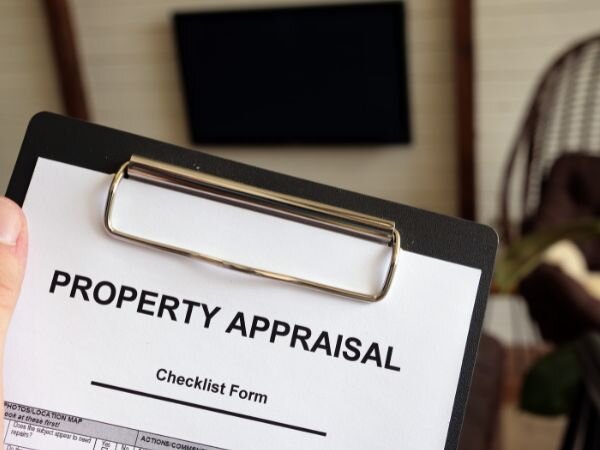

How Long After an Appraisal Can You Close in Connecticut, CT? Closing Time Explained
Buying a property in Connecticut may be joyful and stressful, especially when you have to figure out when the appraisal and closing will happen. Homebuyers and sellers need to know how long it will take to prepare and make decisions. This course goes into great detail about real estate in Connecticut. It talks about the average duration between the evaluation and the close, and what could change it. These measures could help people who are buying or selling for the first time close the deal.
Brief Overview
Buying and selling real estate in Connecticut is not easy. It can take 30 to 60 days from the assessment to the closing. The evaluation is very important for figuring out the market value. It affects the conditions of mortgages and gives information to purchasers and lenders. Real estate agents, bankers, and lawyers can all get things done better when they talk to each other clearly. Getting ready for delays might also make things run more smoothly. Education keeps problems from happening, which is why Connecticut’s fast-paced real estate industry runs efficiently and on time.
Key Highlights
- It’s important to know how appraisals function when you’re searching for a mortgage or haggling.
- Accurate appraisals make sure that buyers and lenders pay the right cost for a house.
- Title insurance stops title disputes, which makes it easier to transfer property.
- Why does quick communication and paperwork make the assessment close easier?
- If you know what you want and are ready, you might be able to avoid delays.
Understanding the Appraisal Process in CT
You need to know how the appraisal process works if you want to purchase or sell a house in Connecticut. The value of a property has an effect on mortgage approvals, discussions over prices, and refinancing. If the appraisal is correct, buyers and lenders can be sure that the home’s value is the same as what it is worth on the market. We’ll talk about the most important parts of the evaluation process and why they are needed for a smooth transaction. You may buy or refinance a house faster and for less money if you know how these things work.
Key Steps in the Appraisal Process

You need to know how the assessment process works in order to figure out how much a Connecticut property is worth on the market. When you buy or refinance a house, the lender normally chooses a competent appraiser. Find an appraiser who knows the area well and has done a lot of appraisals. Their opinions have an effect on the appraisal. The appraiser looks at the property from the outside and inside. During this inspection, they write down details about the property, such as its size and condition. Then, they look at this information and compare it to similar homes that have sold to find out how much the house is worth on the market. The appraiser looks at sales data for nearby “comps,” or homes that are similar, to get an idea of how the market is doing. This analysis makes sure that the market value is fair by looking at current property values and what makes the area unique.
The real estate market’s supply and demand may also affect how much a property is worth. This strict method makes sure that mortgage evaluations are correct, which lowers the chance of overestimating or underestimating value. After obtaining their information, the appraiser creates a complete report. Lenders use this report to get information, do research, and make a good guess on the value of the property. The report must be correct because it influences mortgage approvals and the terms of lenders. Appraisers must follow the rules because wrong reports could slow down the closure. People who buy and sell homes in Connecticut can better comprehend the intricate process and make sure everything goes smoothly if they know these rules.
Importance of Accurate Appraisals
An accurate appraisal is quite important for selling a house, especially in Connecticut, where the housing market is very diverse. A full assessment makes sure that the property’s price is correct, which saves purchasers and lenders money. Lenders trust accurate evaluations. It protects the lender by making sure that the property’s market value is higher than the mortgage. It also changes the maximum money a lender can lend. This restriction stops you from borrowing more than the worth of the property. This will stop money problems. Reliable home appraisals help buyers avoid paying too much. They figure out how much a house is worth to help buyers negotiate. If the appraisal comes back lower, buyers might try to get a cheaper price or urge the seller to fix or give up anything to make the sale fair. For refinancing, it’s very important to have the proper values. Professional evaluations help with refinancing a mortgage. This could impact how they set up their new loan and savings.
Overall, accurate appraisals open up and stabilize Connecticut’s real estate market. They make it easy to compare prices on properties, which helps figure out how well the market is doing and how many transactions there are. This could change how you buy things in the future. Fair and accurate evaluations keep the real estate market stable. This helps everyone make fair and smart choices. When buyers, homeowners, and lenders know how vital accurate assessments are, they feel safe and informed during property transactions. That way, everyone is safe and knows what’s going on.
Factors Influencing the Closing Timeline
Think about everything that could affect closing time in Connecticut’s real estate market to make sure the sale goes smoothly. You need title insurance to close on a real estate deal, and the assessments may change after the deal is done. Knowing these things can help buyers and sellers avoid closing delays and speed up the process. Knowing these things will help you set realistic goals and do well in real estate.
Role of Title Insurance in Closing
Title insurance makes real estate closings easier and protects both sides. It looks for title liens that could change who owns something. Title insurance protects buyers and lenders from problems with the title that they can’t see. In Connecticut, both sides need this insurance. It speeds up legal talks about the property’s validity, which keeps the closure from being delayed. To understand how title insurance affects closing time, you need to know how it finds title problems early on. These worries might include unpaid taxes, liens, property boundary conflicts, or mistakes in public records. A qualified title insurance company can do full title searches that may show these flaws and issues with the property. Taking care of these issues ahead of time makes the closing process in Connecticut safer and more predictable for buyers and mortgage lenders. Title insurance might help you avoid surprises at closing. It makes sure that the sale of the property is legal. To fix errors with the title report, the title insurance lender must cooperate with cash house buyers, appraisers, and lawyers.
To avoid title problems that could slow down the closing, these experts need to work together. To avoid title disputes that could impede lending, banks and other financial institutions need title insurance. Lenders feel safer knowing that title insurance will protect their money. This coverage stays in place as long as the mortgage is active. Lenders lend more when the risk is low. Customers are more inclined to acquire homes. Title insurance makes buying and selling property easier by providing a safety net. There are no secret claims against new owners, so buyers can go ahead. Getting title insurance before closing makes things go more smoothly, sets the closing date, and makes everyone pleased.
Impact of Appraisal Results on Closing

The results of the appraisal decide how quickly the transaction will go through; therefore, they are very important for choosing the closing date. The terms of the loan depend on the examination of the property’s fair market value. If the appraised value is the same as or higher than the transaction price, closing will go smoothly. If the assessed value and the purchase price don’t match, it could take a while to close. There needs to be more talk or change. As was said before, the evaluation procedure looks at the property’s condition, location, and recent sales in the area. Buyers and lenders can trust reliable assessment reports to make sure that the loan amount is equal to the property’s value. Mortgage lenders are safe when the loan amount is less than the value of the property. Lenders may not lend more if the appraised value is lower than they thought it would be. It could be necessary to renegotiate. The study might change what buyers want to do. If the appraisal is lower than their offer, the buyer has a few options.
They can ask the seller to drop the price, pay the difference, or put down more money. If everyone thinks about and talks about each option, it may take longer to close. Another way to challenge the appraisal is to show properties that are similar but more valuable. The appraiser and lender will need to look over this, which could slow down the closing. The lender’s response to the appraisal also affects the time. Before financing, most lenders want to see your credit score. If there are differences that need extra underwriting, the project may take longer to finish. In changing real estate markets, banks may seek more proof that a house is worth something. It could include details about the property or market research that earlier evaluations missed. Appraisals can modify the date of closing and either help or hurt a sale. If people in Connecticut know how appraisals affect closings, they can make backup plans before they buy or sell a home. This will stop delays that aren’t needed.
How to Speed Up the Closing Process After Home Appraisal
After a house evaluation in Connecticut, speed up the closing. Good procedures can speed up the closing process, which is good for buyers, sellers, and lenders. It’s really important to speak properly and complete forms appropriately. These steps make the transaction go faster and stop complications from happening. Learn these things so you don’t have any problems you didn’t expect. This makes it easier and faster for everyone to buy a property. While financed deals can take weeks after an appraisal, cash home buyers in CT can close in as little as 7 days, helping sellers move on quickly. Contact us today!
Efficient Communication for Faster Closings
Talking to each other speeds up the home appraisal process. First, make sure that the lender, buyers, sellers, and real estate experts can talk to each other. Making sure everyone knows the dates, expectations, and responsibilities may help the closure go faster. Checking in and getting information regularly will help you stay ahead. This makes it easy to deal with problems with the process. Clear communication speeds up closing and cuts down on delays. Using technology to make meetings easier is a part of good communication. Everyone is on the same page thanks to instant messaging and cloud technologies. These strategies can make it easier to send out papers so that everyone can get to the most important ones without having to meet in person, which takes time. Technology makes it easier to send and receive information and make decisions, which speeds up closing.
A lender is needed for clear communication. Lenders can help buyers and sellers talk to each other, which can speed up closing. They should know when and how to turn in papers so they don’t make mistakes. Being honest with the buyer builds trust and confidence, which makes them less unsure about the transaction. It’s easier to talk to someone you trust, which helps the deal go through. It might also help communication to hire skilled mediators or coordinators. These professionals work out complicated real estate deals, settle disputes, and explain legal concepts. They make closing easier because everyone understands what’s going on. Putting money into communication speeds up real estate deals. It will be easier and faster to close.
| Strategy | Tools/Professionals Involved | Benefits | Potential Delays Addressed |
| Pre-Approval Process | Lenders, Mortgage Brokers | Faster Loan Processing | Loan Approval Delays |
| Efficient Communication | Real Estate Agents, Buyers, Sellers | Streamlined Coordination | Miscommunication |
| Pre-emptive Document Gathering | Title Companies, Legal Advisors | Reduced Closing Time | Document Verification |
| Professional Inspections | Home Inspectors, Contractors | Address Issues Early | Repair Delays |
| Digital Platforms | Tech Providers, Realtors | Efficient Transactions | Processing Slows |
This table illustrates the strategic focus areas for accelerating the closing process post-appraisal, highlighting the convergent role of communication, documentation, and professional collaboration in ensuring a seamless transition to homeownership.
Preparing Documentation for a Smoother Estate Closing
After the house is looked at, proper paperwork makes closing happen faster. The paperwork is what makes or breaks every real estate deal. It shows who owns the property and who gets the financing. First, finish your financial documents. Show the lender your bank, tax, and income documents to make them happy. This step is very important to closing because lenders need a lot of documents to look over a buyer’s finances. For settling an estate, legal paperwork is quite important. The title papers should show who owns the property, how it was transferred, and if there are any liens on it. Before closing, you often require title insurance. Fix any problems with the papers right away to avoid delays. A lawyer looks over contract agreements to make sure they follow the rules. This cuts down on arguments and changes that could slow things down. Reports on home inspections and evaluations are important.
The conversation starts with a full evaluation report of the property’s market value. Taking care of problems detected in a house inspection report right away keeps the closing on pace. Working with Cash House Buyers in Middletown, CT makes paperwork easier. You can avoid penalties by getting help from real estate companies like Valley Residential Group LLC, bankers, and lawyers to file on time and correctly. Getting help from professionals to write and check important documents lowers the chance of mistakes or missing information. People can quickly access and change files because of technology, which could change how paper is made. Safe online file storage speeds up the process of doing paperwork. Written commitments take longer than electronic signatures. Everyone participating in the closing makes sure that the paperwork is ready on time. This keeps the process on track and cuts down on delays. Being ready demonstrates that you are serious about making good deals and making sure they go well and on time.
What Comes Next After a Home Appraisal and Inspection?
Getting an appraisal and inspection done on your house should help you close without any problems. Finding problems with the property during an evaluation or inspection can change the terms of the mortgage. Next, choose a closing date, deal with any delays, and follow the lender’s rules. They check the papers and repair any mistakes so that the estate can close on schedule. Plan ahead and make it easy to talk to each other to speed up transactions.
Finalizing the Closing Timeline
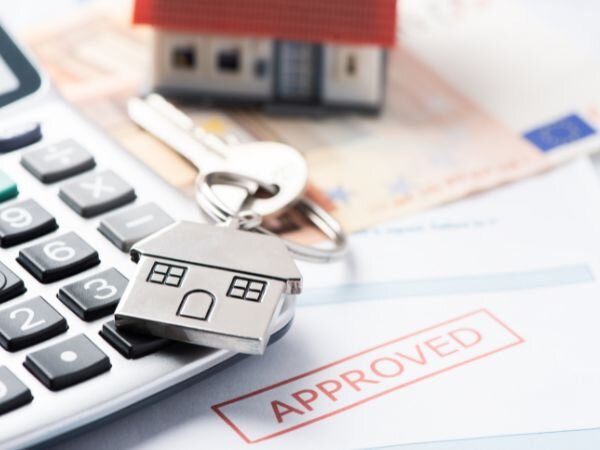
It takes a lot of effort to choose the closing date once the house has been appraised, so that everyone is on the same page. After an inspection and appraisal, the closing process, especially in Connecticut, needs to be carefully coordinated with several procedures. It’s very important to tell the lender and title firm how long it will take now. Be careful when you talk to these folks because they approve your mortgage and check your title, which could make closing take longer. This time frame is very important because the lender will only accept a mortgage based on an appraisal. Lenders look at how much a property is worth compared to how much they are willing to lend. In this manner, objections to the loan won’t stop it from being approved. Underwriting means going over the appraiser’s report and other documents very carefully. To speed up this step and cut down on delays at closing, get in touch with your lender and provide them with any extra information they need. Title insurance is also important.
Title insurance protects you from claims, liens, and other problems with the property that could cause the closing to be delayed. To fix problems, start your title search early. People hire title companies to make sure that titles are clear and can be transferred. If you do it early, this might help you avoid problems and make the closing go more smoothly. Technology can also change the way individuals talk to each other and handle paperwork, which can help them get ready for closing. Signing documents digitally and storing them in the cloud can speed up the process of issuing and confirming papers. It’s easier to close when everyone can see the most recent documents right away because there are fewer mistakes. It’s hard to choose a closing date, but with careful planning and knowledge of real estate, it may be done. Closing will move swiftly if everyone talks to each other, makes sure all the paperwork is in order, and stays up to date. Once you’ve picked a day for the closing, use these tips to make sure it goes well:
- Go over all the papers again to make sure there are no mistakes or delays at the last minute.
- Get together often to talk about fresh problems.
- Check that the property meets the requirements before you acquire it.
- Get the money you need before closing so you don’t have any complications.
- Call the utilities to move services right after closing. Getting ready for these things ahead of time makes it easier for everyone to close.
Understanding Potential Delays and How to Avoid Them
People who are buying or selling a house in Connecticut should know that the closing process can take longer than planned. Delays may happen because of different assessment results, problems with the inspection, or late paperwork. Be mindful of these things and do what you can to lessen their influence to avoid long periods of time. The assessment is one reason why it is taking so long to close. If the appraisal value is very different from the agreed-upon purchase price, the talks may take longer, or the mortgage lender may not be as committed. To lower the risk, buyers should tell the appraiser what the property is worth on the market. Before the evaluation, they could hire a pre-assessment specialist or do major repairs. Lenders say the house should be worth enough to pay off the debt. The buyer may need to find other money or negotiate the price if the appraisal comes in lower than planned. It takes time.
Inspections might show problems. You might need to address a small or systemic problem or renegotiate before you can move ahead. Buyers should rectify things right away and hire skilled professionals to get the job done on time. With a good inspection method, you can find problems that could cause delays in delivery and work with the vendor to fix them. The amount of time spent on paperwork influences the closure of a deal. It may take longer and need extra paperwork or changes if information is missing or wrong. Get your ID, bank information, mortgage, and title insurance papers ready. Planning beforehand makes sure that nothing is missed at closing. Lenders provide permission faster when they trust documents that are always accurate. Lastly, strong communication might help you avoid delays in closing. Talking to the lender, real estate agent, and title company on a frequent basis will help you find and fix problems early. Everyone can stay on the same page and work toward the same closing date if they talk to each other. Everyone can help things move well by planning for and dealing with delays. Preparing, keeping solid documents, and knowing what you want will assist in speeding up the closing of a house.
When you purchase or sell a house in Connecticut, you need to know how long it will take to get an appraisal and close. The evaluation phase, which lasts 30 to 60 days, is very important. Clear communication with lenders, real estate agents, and lawyers makes closing faster and easier. If you want to work out Connecticut’s convoluted real estate process, be ready for delays and problems. Being awake and ready makes negotiations go faster, so everyone can enjoy their new home right away.
Helpful Connecticut Blog Articles
- Documents Needed to Sell a House in CT
- How Long After an Appraisal Can You Close in Connecticut?
- Should I Replace My Roof Before I Sell My House in CT
- How to Sell A Condemned House in Connecticut
- How to Sell Your Parents’ House in Connecticut
- Selling a House in a Trust After Death in Connecticut
- Documents Required for Selling Inherited Property in Connecticut
- How Long to Live in a Home Before Selling in Connecticut?
- Cheapest Places to Live in Connecticut
- Sell Your House in 7 Days in Connecticut
- How to File a Quitclaim Deed in Connecticut
- Who Pays for Appraisal and Inspection in Connecticut
- Can You Sell a House in Foreclosure in Connecticut?
- How To Sell A House During Divorce in Connecticut
- Sell a House in Probate in Connecticut
- Can I Sell My House With a HELOC in Connecticut
- How to Sell a House Without a Realtor in Connecticut
- Selling a Hoarder House in Connecticut