
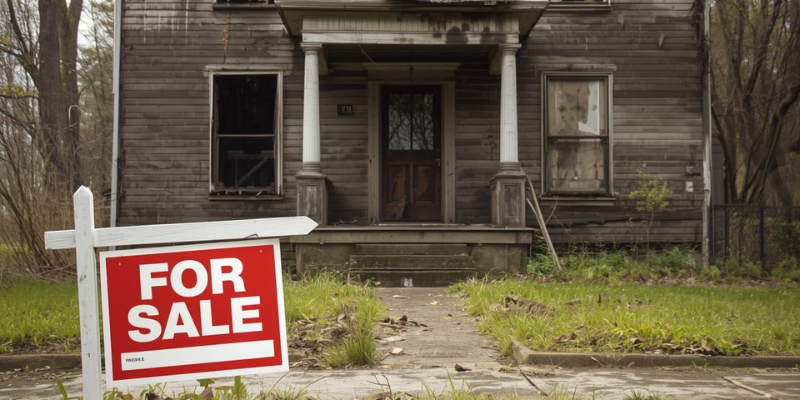
If you’ve never sold a house that was in bad shape before, it could be challenging to sell a condemned house in Connecticut at first. Many people believe that a property that has been condemned can’t be sold, but that’s not the case. Selling a condemned property can be a planned and feasible process if you know what your state and city want, have reasonable expectations, and do what you need to do. If you’re an investor who is worried about risk or a homeowner who wants to leave, you need to know how this market works. This article will help you understand what it’s like to sell a property that has been condemned in Connecticut. It will tell you what your legal responsibilities are, how to set a price, how to find buyers, and how to bargain. By the conclusion, you’ll know how to move forward with confidence and make a transaction that works for everyone in the real world.
Brief Overview
If you want to sell a condemned house in Connecticut, you have to deal with a number of rules, price issues, and the fact that the market is always changing. You should be careful with a property that is in condemnation status. To begin, you need to be completely honest and know the rules in your area extremely well. The quality of a property, where it is in the community, and the state of the real estate market all have a big impact on its worth. Many condemned houses are only good for investors and those who can pay cash, so it’s crucial to be honest about what you’re selling and market them well. Using the internet, employing an expert, and setting acceptable rates can help sellers get in touch with the right people. If you know how to do it, selling a condemned property could turn a bad situation into a good one. This can help deals move more smoothly and give both buyers and sellers an opportunity to make money.
Key Highlights
- There are a lot of legal and valuation considerations to deal with when you sell a condemned house in Connecticut.
- You have to let people know if a property is legally condemned. This keeps problems from recurring again.
- If you know what investors want, you can sell your property faster and better.
- Good websites and platforms make it easier for those who don’t live near you to find you.
- If you know about trends in your field and how to promote them, you’re more likely to make a sale.
- Find out more about properties in Connecticut that have been condemned.
Condemned houses in Connecticut are a unique issue in the real estate market, especially for buyers and sellers who don’t know how these properties are classified and managed. The word “condemned” normally suggests that there are huge difficulties, yet the reasons for condemnation might be very various. People who are part of these deals need to know what condemnation is, how it works, and why properties earn this term. With the right knowledge, buyers and sellers may be able to better assess the risk and figure out how to cope with or work around the property’s condition. If everyone knows what condemnation means, they can all make better decisions, and there won’t be as many surprises when buying or selling a house.
What Makes a Connecticut House Unlivable?
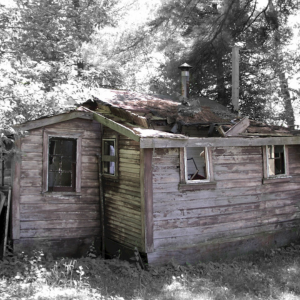
If a house in Connecticut no longer satisfies the local government’s fundamental health and safety regulations, it is usually deemed condemned. The objective of these laws is to protect the people who reside there, their neighbors, and the community as a whole. It might not be safe to live in a building if it has major structural problems, such as a foundation that is breaking apart, a roof that is about to collapse, or extensive water damage that leads to mold growth. In some situations, replacing a roof before selling may be necessary to address these safety issues and bring the property closer to compliance with local codes. Health difficulties, such as unhealthy living conditions caused by years of neglect, are also a major rationale for the decision to condemn.
Not being able to get essential services is another major factor. If a residence doesn’t have reliable access to clean water, power, or a working sewage system, it may not be safe to live there. Local building inspectors use the state and city codes to check buildings. If they detect more than one infraction, they let the property owner know and give them a certain amount of time to address the problems. If the repairs aren’t done on time, the residence could be legally taken away.
Not all condemnation happens because property is damaged. A building can also be condemned if it defies zoning restrictions, makes improvements that aren’t allowed, or doesn’t follow occupancy permits. This means that homes that are safe to live in could nonetheless be condemned if they infringe rules about safety or how to use property. People who want to buy a house need to know about these distinctions because the reason for condemnation affects how to remedy it.
Dealing with a condemned property in Connecticut often comes with financial, legal, and logistical challenges. If you’re looking to sell your house fast in Connecticut, working with experienced real estate agents, inspectors, and attorneys who understand local housing codes can make a significant difference. These professionals can assess the severity of the violations, estimate repair costs, and determine whether the condemnation order can be lifted. By understanding what causes a property to be condemned, buyers and sellers alike can better navigate the risks, timelines, and potential outcomes involved.
Why do people say something?
Most of the time, homes in Connecticut are condemned because they aren’t safe, don’t meet building codes, or have been uninhabited for a long time. The house is falling apart, which makes it unsafe to dwell in. This is one of the main causes. This includes roofs that could fall, buildings that aren’t stable, or foundations that are falling apart. Local governments act rapidly since these situations put not only the individuals inside but also the homes next door in danger.
Fire damage is another important basis for criticism. The building’s structure may still be fragile even after the fire is out. It’s usually not safe to live in a house after a fire until extensive repairs are done. This is because of damage from smoke, weak supports, and unsafe electrical systems. Flooding or plumbing problems that recur over and over can also cause mold and decay, which are both harmful to your health.
Another cause for condemnation decisions is that the electrical systems are old or don’t satisfy code. Bad wiring can cause fires and may not be up to date with current building requirements. Termites and other pests can damage a building’s structure without anyone knowing it, which is harmful.
Another significant thing is a long vacancy. If you don’t take care of a house, it could fall apart quickly if you leave it outside, vandalize it, or don’t live in it for a long time. Over time, these properties may become unattractive and unsafe, which is why towns may need to step in. If buyers and sellers know these common factors, they can better understand how properties get to this condition and what has to be rectified during a sale or restoration.
How to Sell a House That Has Been Declared Unsafe
If you’re planning to sell a condemned property in Connecticut, it’s important to move carefully and think through both the legal and practical challenges involved. Selling a condemned home requires more transparency and planning than a traditional sale. Property owners should understand what disclosures are required, how to find the right buyers, and whether selling the home as-is is the smartest choice. Working with experienced professionals—such as investors who buy houses in Hartford and across Connecticut—can help ensure compliance with state and local regulations while speeding up the process. With the right approach and preparation, even a condemned property can still be sold for a fair and competitive price.
Things to Keep in Mind When Selling a House That Has Been Condemned
Legal problems are highly significant when selling a condemned home in Connecticut. Sellers must tell all potential buyers that the property is condemned. This statement protects buyers from having to cope with unexpected debts and sellers from having to deal with legal issues in the future. If you don’t tell the truth about what you know, you could get sued, lose money, or lose business.
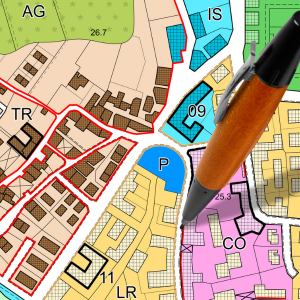
You also need to know a lot about the law as a whole. Eminent domain rules normally only apply to government purchases, but they do say that properties that are destructive can’t constitute a threat to the public. Sellers need to make sure that their transaction follows all the requirements for safety, zoning, and occupancy. In some cases, city laws may require certain repairs or paperwork to be done before a transfer can happen.
Zoning rules might make it hard to get things done. A condemned house might not fit current zoning rules, which could make it harder for buyers to fix it up. Sellers should also know about any outstanding taxes, liens, or fines from the city on the property because these can influence the closing date and price.
It’s quite helpful to have a lawyer who knows the area well because each city has its own rules. Real estate agents and lawyers who know Connecticut’s property laws can help sellers with the paperwork, disclosures, and problems that come up when they try to follow the requirements. Taking care of these legal matters ahead of time makes the purchase move more easily and minimizes the likelihood of complications later on.
How to Sell a House in Connecticut That Is Not Safe to Live In
If you own a house in Connecticut and don’t have the time or money to do a lot of renovations, selling it as-is is usually the best thing to do. People who buy a home “as-is” agree to take it as it is, even if there are problems that could arise. This method could help the seller save a lot of time and money on the first charges.
Most of the people who buy condemned buildings as-is are investors and developers who work with real estate that is in trouble. These buyers are generally prepared to make upgrades and include the cost of repairs in their offers. Sellers need to understand this way of thinking. The price should be based on both the existing condition of the property and how it might appear after repairs.
When you sell as-is, it’s really important to promote it well. Listings should be honest and give a lot of information. They should be clear that the property is not for sale and talk about its strong aspects, including its location, lot size, or the fact that it might be able to be fixed up. People will trust you more and buy from you more if you have clear descriptions and good photographs.
If you choose a real estate agent who knows how to deal with homes that are in trouble, it might be even better. These professionals know how to sell homes that have been condemned, identify purchasers who meet the standards, and negotiate transactions that work. If you have the appropriate plan, it could be easy and cheap to get rid of a condemned house as it is.
How to Find Out How Much a House That Has Been Condemned Is Worth
You need to be practical and know the market in order to figure out how much a condemned house in Connecticut is worth. People figure out how much condemned homes are worth by looking at the value of the land, the cost of repairs, and the possibility to invest. This is not like a normal residence. If both buyers and sellers know these factors, they can have realistic expectations and handle the situation correctly.
Things That Change the Price of a Property That Has Been Condemned
There are a few variables that are highly essential in determining the price of a condemned property in Connecticut. The harm is the most obvious thing. Water damage, problems with the structure, and breaking the law all diminish the value and make repairs more expensive. Professional inspections and appraisals can help you understand how terrible these problems are and what an acceptable price range is.
The place is also very crucial. Even if a property is in horrible form, it could still be worth something if it is in a desirable area or near the core of a city. Getting to schools, public transportation, and places to work might help ease some of the worst things that happen when someone is condemned.
The status of the market also affects prices. In a strong seller’s market, homes that aren’t in great shape may nevertheless earn good bids. In slow markets, prices need to be lower to get people to buy. Legal issues, including unpaid liens or zoning rules, can also make a property less desirable and diminish its market value.
How the Connecticut market is changing
People in Connecticut can sell homes that have been condemned more easily when they know about market trends. The economy, what investors are doing, and the time of year all affect demand. When the economy is good, investors may be more willing to take on restoration projects. This makes it tougher to identify homes that need work.
People who pay with cash have a lot of power here. These buyers can close quickly and often want to buy homes as-is, which makes them perfect for homes that have been condemned. If sellers know what cash buyers want, they may better price and market their houses.
It’s also vital to pay attention to trends that arise at different seasons of the year. The spring and early summer are when most people buy and sell real estate, which makes it easier to find listings. Web marketing has also affected how properties are sold. It helps sellers get in touch with buyers all throughout the state or even the country. If you use these trends to your advantage, you will gain the most attention and rewards.
How to Sell Unsafe Homes
You need to apply certain strategies that deal with the house’s specific difficulties in order to sell it successfully. If sellers focus on the right customers and use new marketing tactics, they can get greater results and spend less time on the market.
Targeting Investors in Connecticut Real Estate
People who buy condemned buildings in Connecticut are often the same people who invest in real estate. These buyers desire homes that are a reasonable price, can be changed to match their needs, and have growth potential. Sellers should talk about items that investors care about, like how the area is growing, how easy it is to change the zoning, and how much the property will be valued following improvements.
Prices have to be fair since investors look at bids and think about how much it will cost to make changes. Being honest about the facts and providing them with realistic estimates develops trust and helps them make decisions faster. Real estate brokers, investing groups, and auctions are all great places to meet new people and make connections.
Selling condemned houses online

Online platforms are quite useful for selling residences that have been condemned. You can sell your home to people who live outside of your area if you have good images, detailed listings, and virtual tours. Being honest and open about repairs and giving realistic estimates is vital because it builds trust.
People who wish to buy anything can talk directly to sellers on social media, real estate websites, and online auctions. People care about and trust each other more when they chat to each other a lot and answer quickly. Digital technologies can help you sell faster if you use them the right way.
Selling a condemned house in Connecticut can feel overwhelming, but it is absolutely possible. By understanding local requirements, pricing the property appropriately, and connecting with the right buyers, sellers can move through the process smoothly. With proper positioning and professional guidance, even properties slated for demolition can present valuable opportunities. Valley Residential Group LLC buys houses cash in any condition—contact us today to sell fast and stress-free.
FAQs
If you want to sell a condemned house in Connecticut, what do you need to do first?
You should first find out what the rules are for disclosure, inspect the property’s condition, and chat to people who know the rules in your area.
What are the legal problems that can happen when you sell a house that has been condemned in Connecticut?
You should be aware of the requirements for zoning, disclosure, and the law in your area. Getting help from a lawyer can make things go more easily and quickly.
What effect does the price of a house have on the sale of a condemned house in Connecticut?
Fair prices set realistic expectations and attract buyers who are qualified. Some crucial items to think about are how big the damage is, where it is, and how the market is doing.
What are some good ways to sell properties that have been condemned?
The greatest ways to get the word out include targeted web marketing, clear listings, and getting in touch with investors.
Why may it be a smart idea to sell a condemned house in Connecticut as is?
An “as-is” sale lowers the expense of upkeep and draws in buyers who want to fix up the property, which usually speeds up the sale.
Helpful Connecticut Blog Articles
- Documents Needed to Sell a House in CT
- How Long After an Appraisal Can You Close in Connecticut?
- Should I Replace My Roof Before I Sell My House in CT
- How to Sell A Condemned House in Connecticut
- How to Sell Your Parents’ House in Connecticut
- Selling a House in a Trust After Death in Connecticut
- Documents Required for Selling Inherited Property in Connecticut
- How Long to Live in a Home Before Selling in Connecticut?
- Cheapest Places to Live in Connecticut
- Sell Your House in 7 Days in Connecticut
- How to File a Quitclaim Deed in Connecticut
- Who Pays for Appraisal and Inspection in Connecticut
- Can You Sell a House in Foreclosure in Connecticut?
- How To Sell A House During Divorce in Connecticut
- Sell a House in Probate in Connecticut
- Can I Sell My House With a HELOC in Connecticut
- How to Sell a House Without a Realtor in Connecticut
- Selling a Hoarder House in Connecticut