



How to Obtain a Quitclaim Deed Form in Connecticut
What is the purpose of a quitclaim deed form?
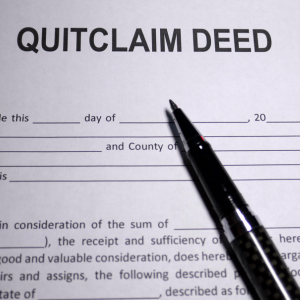
A quitclaim deed form is a legal document that transfers property rights, ownership, or interest from one person to another without guarantees. This form is commonly used in real estate when those involved, such as family members or close friends, trust each other. Remember, a quitclaim deed does not guarantee the grantor’s title or interest in the property; it only transfers whatever rights the grantor has.
Where can you find the official form in Connecticut?
In Connecticut, you can get the official quitclaim deed form by visiting the town clerk’s office where the property is located. Town clerks provide the forms and ensure the document meets state requirements. You might also find forms online on the official county website or trusted legal sites. Be sure to use the correct form to avoid problems with the transfer process.
Are there any associated fees with obtaining the form?
Yes, there are usually fees for obtaining and recording a quitclaim deed. These costs can vary by municipality and may include charges for notarization, filing, and administrative services. Contact the local town clerk’s office for an accurate estimate of the document processing fees in your area.
Do you need legal assistance to fill out the form?

Having a lawyer help fill out a quitclaim deed form is not required, but seeking legal advice can be useful. A lawyer can guide you in completing the document accurately and ensure all legal aspects of the property transfer are covered. This is helpful if the transfer involves complex issues like joint ownership or possible liens. Consulting a legal professional can help prevent disputes and ensure a smooth transfer.
Completing the Connecticut Quit Claim Deed Form
When you complete a quitclaim deed form in Connecticut, include all necessary details. You’ll need the grantor’s name, the person giving up the property, and a precise legal description. Ensure you have the correct documents and use the right form to change the property title.
Are there specific guidelines for signatures on the form?
In Connecticut, the quitclaim deed must be signed before a notary public. The signature must be notarized, and sometimes, witnesses may need to watch you sign. Following these guidelines can help you avoid any legal problems.
How do you include property details accurately?

When filling in property details, use the legal description in previous deeds or legal papers. Mistakes here could cause issues with the property title change. Always check real estate records to ensure all deed information is accurate to avoid future disputes.
Is notarization mandatory for the quitclaim deed in Connecticut?
Yes, notarization is required for a quitclaim deed in Connecticut. You need a notary to witness the signing, ensuring everything is legitimate officially. Notarizing the document helps protect everyone involved in the transaction and gets the deed accepted in public records.
By following these steps, you can smoothly handle the quitclaim deed process in Connecticut. For more detailed help, Valley Residential Group might offer additional resources and services.
Filing Your Completed Connecticut Quit Claim Deed
Where should the completed deed be filed?
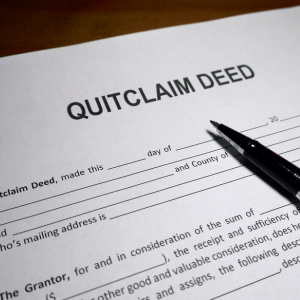
To file your completed Connecticut quitclaim deed, take it to the correct deed recording office. This is usually the town clerk or county recorder where your property is located. Each town in Connecticut may have different filing locations, so check to make sure you’re going to the right place. Doing this will help ensure your quitclaim deed is properly recorded and your property transfer is official.
What are the filing fees?
Consider the various fees when you file a quitclaim deed in Connecticut. Filing fees can vary but usually cover document processing. There might also be a real estate transfer tax that adds to the cost. Check with the specific recording office for the accepted payment methods and any extra taxes you might need to pay.
Can the deed be filed electronically in Connecticut?

Connecticut allows electronic filing for quitclaim deeds, letting you submit online using e-filing systems. This makes the deed recording process easier and faster. Make sure to verify if your town’s recording office supports electronic filing. This can help speed up your submission and make the whole process quicker.
How long does the filing process usually take?
The time it takes to process a quitclaim deed in Connecticut can differ. The waiting period depends on how busy the specific recording office is and if there are any submission errors. On average, give enough filing time to finish without problems. Contact the town clerk or county recorder for a more exact estimate of the expected time frame.
Legal Implications of Filing a Quitclaim Deed
Does a quitclaim deed affect property taxes?
A quitclaim deed in Connecticut may not directly affect your property taxes but may indirectly do so due to changes in ownership leading to a possible reassessment of your tax obligations, which may increase your taxes. Plus, Connecticut may have a real estate transfer tax when a property deed is transferred.
How do quitclaim deeds differ from other methods of transferring property?
There are differences between quitclaim deeds and warranty deeds pertaining to title assurance and guarantees. For example, a quitclaim deed only transfers ownership, but a warranty deed guarantees that title issues do not exist. Knowing how quitclaim deeds and warranty deeds differ is essential to the ownership transfer process within Connecticut’s real estate system.

What are the dangers of quitclaim deeds?
In Connecticut, the chief concern of a quitclaim deed is that the title may have legal problems or encumbrances that go unprotected. This is a problem in many disputes, such as divorce cases, which can complicate the equitable distribution of property. Familiarity with real estate law can save you from problems using a quitclaim deed.
Will a quitclaim deed affect my mortgage?
A quitclaim deed could potentially alter current mortgage contracts. It could be viewed by lenders as a change to the initial mortgage terms. If you are in Connecticut, consulting an attorney regarding quitclaim deeds will assist you in comprehending how such filings will affect your mortgage. Before you proceed, it would be prudent to speak to your lender in order to avoid unforeseen complications.
Additional Resources for Connecticut Property Transfers
What online tools are available for deed preparation?
![how to fill out quitclaim deed in market_city]](https://image-cdn.carrot.com/uploads/sites/78275/2024/12/how-to-fill-out-quitclaim-deed.png)
Tools available online can help to prepare a quitclaim deed in Connecticut. These resources help with the initial steps of deed preparation and provide access to the necessary forms. Many of these guides provide step-by-step instructions to assist with keeping the information correct and in compliance with the state’s guidelines. When selecting these online resources, look for ones with templates that have been reviewed by legal professionals.
Are there any workshops or classes that would help in understanding property deeds?
In Connecticut, there are classes and workshops on property deeds. These classes are offered by real estate professionals and teach about what the legal requirements are as well as what the language in a deed means. By participating in these workshops, you will gain a better understanding of what to expect in a real estate transaction.
Who can assist with property transfer issues that are more complicated?

For more complicated property transfer issues in Connecticut, assistance can be sought from an attorney who specializes in real estate. These attorneys provide legal counsel and help to deal with challenging property transfer issues. Real estate attorneys are very knowledgeable about the transfer issue being dealt with and will assist in ensuring that all aspects of the transfer are done legally and correctly. Seeking help from them will help to safeguard your interests and prevent any unwanted issues from occurring.
How can you verify the legitimacy of your quitclaim deed?
To confirm the legality of your quitclaim deed in the state of Connecticut, you may conduct a review of the state’s land records and ready a few legal steps. First, you may go, either in person or online, to your county’s land records office to confirm that the deed in question is there. This is in addition to your documents being backed up by a notary public and being recorded properly. Additionally, a real estate attorney or a reputable title company may be able to confirm that the deed is in keeping with your state’s legal requirements.
This information applies to Connecticut and its cities, including Hartford, Meriden, Cheshire, and more. For more details, please call us at (860) 589-4663 or visit our website at Valley Residential Group LLC.
FAQs:
What is a quitclaim deed, and how is it used in Connecticut?
A quitclaim deed is a type of contract used to convey property interest from one person, the grantor, to another. In Connecticut, quitclaim deeds are most commonly used in conjunction with a divorce or legal separation to provide sole ownership of a property to one person. It is required to be signed in the presence of a notary public.
How do I file a quitclaim deed in Connecticut?
To complete a quitclaim deed in Connecticut, you fill out a form, the grantor signs it in the presence of a notary public, and you submit it to the town clerk’s office for the town in which the property is located. Each town has a different process, so it is best to check the town’s website to clarify.
Are Connecticut quitclaim deeds valid for the purpose of transferring real estate for a partnership or LLC?
Yes, Connecticut quitclaim deeds can be utilized for transferring real estate for a partnership or LLC. You may want to consider speaking with an attorney to address the legal and operational needs.
Does a quitclaim deed have any impact on child custody or alimony?
There is no direct connection between a quitclaim deed and child custody or alimony. However, in a divorce, the transfer of property may be considered in the financial assessment. For this reason, it is advisable to speak with a divorce attorney.
What tax implications are there when filing a quitclaim deed in Connecticut?
When filing a quitclaim deed in Connecticut, tax implications can include real estate conveyance taxes or changes in the assessment of the property taxes. It is best to speak with a tax professional to see how these could impact you.
Is a power of attorney necessary when filing a quitclaim deed?
A power of attorney is not required unless the grantor is unable to sign the deed in person. In this situation, a person with power of attorney can sign for the grantor.
What documents need to be submitted with a quitclaim deed for it to be effective?
To ensure the validity of the quitclaim deed, you should include other documents, such as party agreements, notarization acknowledgments, and encumbrance subordination agreements.
Is a quitclaim deed enough to transfer property with survivorship rights?
When survivorship rights are involved, a quitclaim deed must explicitly state those rights. You should consult an attorney to ensure the deed is appropriate for your situation and avoid unfavorable outcomes.
Key Insights
- Connecticut state requirements are met by the correct forms for easy applications for quitclaim deeds.
- Dissolution, annulment, adoption, bankruptcy, and other legal issues are handled by attorneys and legal practitioners.
- Connecticut real estate agreements, leases, wills, and covenants are available.
- Documents can be uploaded and notarized, and free deed forms for Connecticut can be accessed.
- Legal jargon and its clarifications can be quickly understood with the help of templates and definitions provided by us.
- Real estate in Connecticut can be managed in several aspects, including filing for a DBA or a sole proprietorship and understanding taxes, employee rights, and FMLA (Family and Medical Leave Act).
- Additional features, such as templates for printing, acknowledgment forms, and judgment record keeping, make document handling simpler.
- Knowing notary services, acknowledgment clauses, and witnesses helps with Connecticut paperwork.
- Other resources are available for your real estate requirements, including resources for LLCs, promissory notes, and other forms of financial instruments.
- Documents for quitclaim deeds and other legal tasks are best executed with recorded legal services.
Helpful Connecticut Blog Articles
- Documents Needed to Sell a House in CT
- How to Sell A Condemned House in Connecticut
- Documents Required for Selling Inherited Property in Connecticut
- Cheapest Places to Live in Connecticut
- Sell Your House in 7 Days in Connecticut
- How to File a Quitclaim Deed in Connecticut
- Who Pays for Appraisal and Inspection in Connecticut
- How To Sell A House During Divorce in Connecticut
- Selling a Hoarder House in Connecticut